.png)
How to Build Confidence in Teen Athletes: A Guide for Parents and Coaches
- Dérik
- May 9, 2025
- 4 min read


🔍 Why Confidence Is the Secret Weapon in Youth Sports
Confidence is a cornerstone of athletic performance, especially for teenagers navigating the challenges of adolescence and competitive sports. Whether your child plays hockey, soccer, or jiu-jitsu, learning how to build confidence in teen athletes is essential to helping them perform at their best. As parents and coaches, your guidance and communication can dramatically impact how young athletes view themselves, handle pressure, and grow from setbacks. In this guide, you’ll learn proven strategies to foster self-esteem, emotional resilience, and a strong mindset that lasts beyond the playing field.
📊 Confidence Levels by Sport & Performance Anxiety
Sport | Average Confidence (Self-Report)* | Common Mental Blocks | Risk of Performance Anxiety |
Soccer | Moderate | Fear of mistakes | Moderate |
Wrestling | Low–Moderate | Fear of losing | High |
Hockey | Moderate | Pressure from parents/coaches | Moderate–High |
Brazilian Jiu-Jitsu | Low–Moderate | Fear of being submitted | High |
*Source: Adapted from research in the Journal of Applied Sport Psychology (2021) and Frontiers in Psychology – Youth Sport Focus (2022)
🎯 Core Pillars of Building Confidence in Teen Athletes
1. Create a Safe Environment for Failure

Normalize failure as part of growth.
Encourage calculated risk-taking and experimentation in games and practice.
Don’t punish mistakes; analyze them constructively.
2. Use Process-Based Praise, Not Outcome-Based

Praise effort, discipline, and coachability more than scores or wins.
Reinforce that confidence comes from preparation and process, not talent alone.
Impact of Praise Type on Confidence (ages 12–16)
Praise Type | Focus | Long-Term Confidence Effect |
Outcome-Based | “You won, great job!” | Short-lived, conditional |
Talent-Based | “You’re so talented!” | Risk of fixed mindset |
Process-Based 🏆 | “You worked really hard on that move.” | Builds consistent confidence |
🧠 Sports Psychology Tactics That Work
3. Mental Rehearsal & Visualization
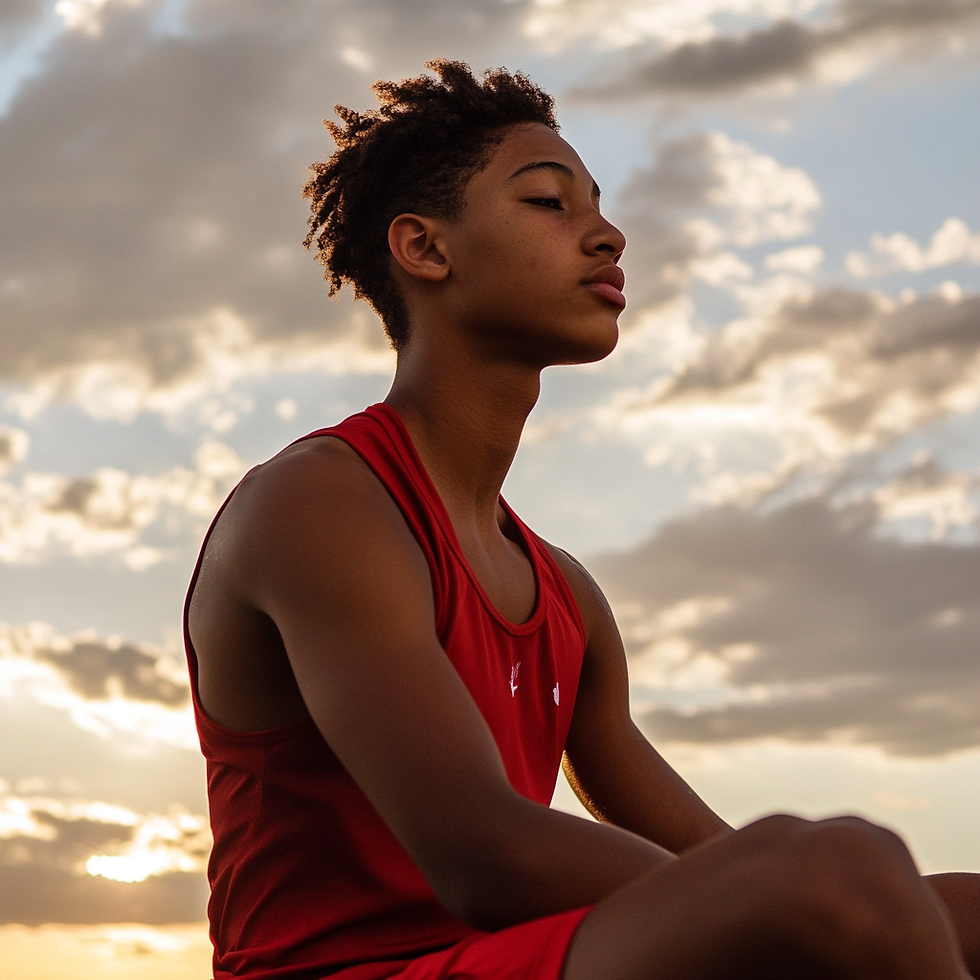
Teach athletes to mentally rehearse successful performances (e.g., scoring, takedowns).
Use guided imagery apps or cue cards with calming self-talk phrases.
4. Journaling & Self-Awareness Practices

Let them reflect on what they did well each week.
Journaling builds internal feedback loops, which leads to intrinsic confidence.
5. Pre-Competition Routines

Build consistent warm-up rituals: breathing, mindset resets, visual cues.
Helps athletes feel “in control” of their mental and emotional state.
🧠 How to Build Confidence in Teen Athletes Through Mental Training
One of the most effective ways to build confidence in teen athletes is by incorporating mental training techniques into their regular practice routines. This includes tools like visualization, positive self-talk, and breathing exercises to help young athletes manage stress and improve their mindset. When these habits are developed consistently, they reinforce a strong internal belief system that supports peak performance, even under pressure.
🔬 Scientific Proof That Confidence Is Trainable
“Athletes with high sport-confidence are more likely to initiate action, persist longer, and perform better under pressure.”— Vealey & Chase, Journal of Sport and Exercise Psychology (2020)
“Cognitive-behavioral strategies, including self-talk and imagery, significantly improve performance confidence in youth athletes.”— British Journal of Sports Medicine (2019)
💬 Quotes from Elite Athletes on Confidence
Simone Biles (Gymnastics): “I'd rather regret the risk that didn't work out than the chances I didn’t take.”
Wayne Gretzky (Hockey): “You miss 100% of the shots you don’t take.”
Gordon Ryan (Jiu-Jitsu): “Confidence comes from being prepared—being overprepared.”
📊 What Builds vs. Destroys Confidence in Teen Athletes
Confidence Builders | Confidence Killers |
Praise for effort & habits | Criticism after mistakes |
Role models with growth mindset | Overemphasis on winning only |
Individual goal tracking | Comparing to other athletes |
Constructive feedback | Yelling or punishment |
👪 What Parents and Coaches Should Say (and Avoid)
Messaging That Builds Confidence
Situation | What to Say | What to Avoid |
After a loss | “What did you learn from that match?” | “Why didn’t you win?” |
Pre-competition nerves | “It’s normal to be nervous—it means you care.” | “Don’t mess up!” |
Missed play or mistake | “Let’s look at how to improve that.” | “You blew it!” |
Long-term development | “You're improving every week.” | “You should be better by now.” |
🛒 Recommended Amazon Products to Support Mental Performance
Complete Meditation System: Mindfulness, Chakra Healing & Stress Relief – Helps with focus, calm, and performance anxiety.
Sports Confidence Journal for Teen Athletes – Daily mindset tracking, goals, and reflections.
Sport Psychology for Young Athletes Book – Science-backed and easy for parents/coaches to understand.
Mental Toughness For Young Athletes - Eight proven 5-minute mindset, exercises for kids and teens who play competitive sports
🔗 High-Quality Backlinks for Readers
🏁 Final Thoughts
Helping teen athletes become 100% confident doesn’t mean pushing them harder — it means creating a safe, structured, and mentally supportive environment. As a parent or coach, you are a key player in shaping their emotional tools, not just their physical game.
Start with consistent praise for effort, mental training habits, and positive communication — and watch their confidence rise with their performance.
If you’re a parent or coach looking to build confidence in teen athletes, it’s essential to focus on consistent routines, emotional safety, and process-oriented praise.


Comments